Signs a Yorkie's Current Food Isn't Agreeing With Its Gut
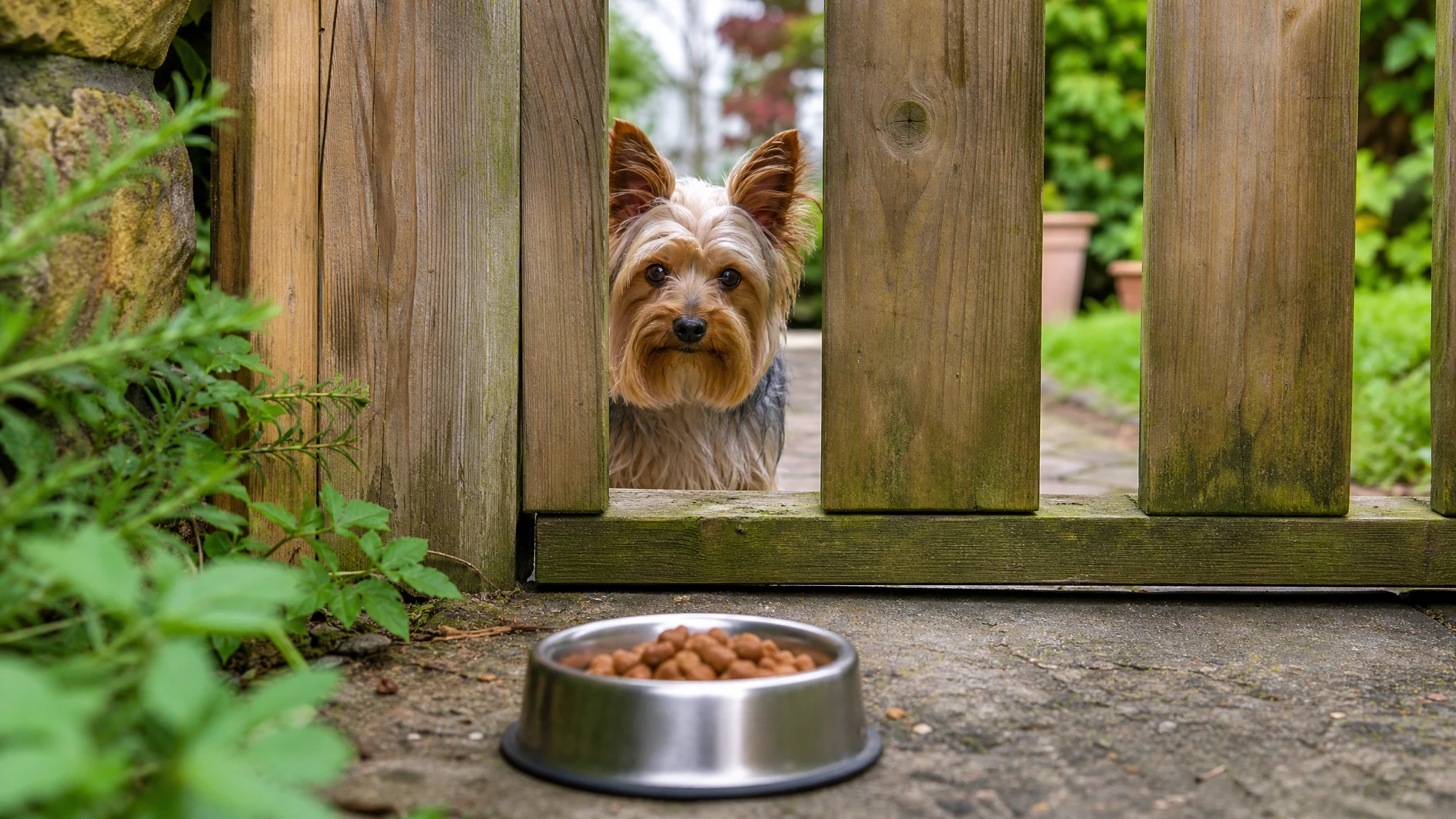
General nutrition information compiled from product labels and published sources, not veterinary advice. Your veterinarian is the right person to choose a diet for your dog, especially one with a health condition.
A 7 pound dog has very little room for a rough week. The American Kennel Club lists the Yorkshire Terrier in the Toy Group, and the breed standard says adults must not exceed seven pounds, according to the Yorkshire Terrier Club of America (YTCA). When a dog that small has loose stools or skips meals, it is worth noticing early.
This guide shows you how to watch for signs of a food mismatch, record what you see, and bring useful notes to your veterinarian. It also covers what to look at on a label when you start comparing dog food for gut health. It does not diagnose anything. Only a veterinarian can tell you why a dog's gut is upset.
What You Will Need
- The current food's bag or can, so you can read the ingredient list and the AAFCO statement.
- A notebook or phone notes app for a daily log.
- A kitchen scale or a marked measuring cup, so portions stay the same from day to day.
- A list of every treat, chew, table scrap and dental snack your Yorkie gets.
- Your veterinarian's phone number, in case something on the red-flag list below shows up.
Why a Yorkie's Gut Deserves Close Attention
Several health topics tied to diet are named for this breed by real sources. None of them means a food causes or fixes a problem. They are reasons to take changes seriously and talk to a vet.
- Pancreatitis. The Merck Veterinary Manual reports an increased prevalence of pancreatitis in Yorkshire Terriers. It also says dietary indiscretion, meaning eating things outside the normal diet, is believed to be a common risk factor in dogs.
- Liver blood-vessel conditions. The Merck Veterinary Manual says extrahepatic portosystemic shunts are more common in toy breeds, with Yorkshire Terriers named first. It also says hepatoportal microvascular dysplasia is well defined in the breed. The YTCA names portosystemic shunt and protein-losing enteropathy as known to occur in Yorkies.
- Puppy blood sugar. The YTCA brochure describes hypoglycemia (low blood sugar) in puppies, especially at 6 to 12 weeks old.
- Weight. The AKC says some Yorkies are prone to becoming overweight and suggests watching calories and treats.
These are the reasons not to wait and see for long when something seems off. For more on how this breed's size and health shape a diet, see our guide to the diet factors that matter for a Yorkie.
Step-by-Step: How to Tell Whether the Food Is Agreeing With Your Yorkie
Step 1: Write down what your Yorkie eats now
Start with the full picture. Copy the product name, the life-stage wording and the AAFCO statement from the package. Note the first five ingredients. List the daily amount, the number of meals and every extra: treats, chews, bits of your dinner, and anything licked off the floor.
Many gut problems trace back to the extras rather than the bowl. A 7 pound dog can be thrown off by a small piece of fatty human food. The Merck pancreatitis chapter's mention of dietary indiscretion is one reason to be honest in this list.
Step 2: Confirm the food fits your dog's life stage
Check that the bag matches your dog's age. Royal Canin labels its Yorkshire Terrier formulas as puppy from 8 weeks to 10 months and adult from 10 months. Hill's labels its Small & Mini puppy food for puppies up to 1 year old. These are brand labels, not a club or veterinary rule, so ask your vet when to switch.
Feeding frequency matters too. The YTCA says a young Yorkie puppy should eat 3 to 4 times a day, and that two feedings a day should be enough once the dog matures. Long gaps between meals in a young puppy can be a problem on their own, so do not blame the food before you check the schedule.
Step 3: Keep a simple daily log for one to two weeks
Each day, record these items:
- Appetite: ate eagerly, picked at it, or refused.
- Stool: how firm it was, how many times, and anything unusual such as mucus or a strong change in color.
- Vomiting or gagging, and how long after eating it happened.
- Gas, gurgling or a tight, uncomfortable belly.
- Energy level and mood.
- Everything eaten, including treats.
One bad day is not a pattern. A repeated pattern, such as soft stools after the same meal or treat, gives your vet something to work with.
Step 4: Know the signs that may point to a food mismatch
These are common things owners notice. Any of them can have many causes, and none of them proves the food is the problem.
- Stools that stay soft or loose over several days.
- Repeated vomiting or regular gagging around mealtimes.
- Frequent gas or a noisy belly.
- Appetite that drops off for a food the dog used to eat well.
- Licking lips, drooling or hunching after meals.
- Low energy that tracks with meals.
Step 5: Know the red flags that mean call the vet now
Do not run a home experiment if you see any of the following. Call your veterinarian promptly.
- Your puppy is very sleepy, wobbly, weak or refusing food. The YTCA describes hypoglycemia as a concern in young Yorkie puppies, and it is a veterinary matter.
- Vomiting or diarrhea that keeps going, or that comes with a painful belly.
- Blood in the stool or vomit.
- Your dog ate something it should not have, such as a rich, fatty food or a non-food item.
- Any change that persists in a dog with a known liver or digestive condition.
Because the Merck Veterinary Manual and the YTCA both name liver and digestive conditions in this breed, a vet may want to rule those out before anyone changes the diet.
Step 6: Remove the extras before you blame the main food
With your vet's approval, pause new treats, chews and table scraps for the log period. Keep the main food and the portion the same. If the signs fade once the extras are gone, the extras were likely part of the story. If they continue, you have a clearer record to share.
Step 7: Book a visit and bring your notes
Bring the log, the package and the treat list. Your vet may suggest a stool check, bloodwork or a different diet. Prescription diets are something only a veterinarian prescribes, so never switch to one on your own.
Step 8: If your vet agrees a new food is worth trying, compare labels carefully
Here is what to check when you look at any dog food for gut health:
- The AAFCO statement. It should say the food is complete and balanced for your dog's life stage.
- The large-size growth wording. The Merck Veterinary Manual explains that foods for growth or all life stages must say either "including growth of large-size dogs" or "except for growth of large-size dogs." The "including" wording means the food meets AAFCO's levels for large-size growing dogs, which currently applies only to calcium. The YTCA puts adult Yorkies at no more than seven pounds, so this wording is something to ask your vet about rather than a reason to pick or skip a food.
- The first ingredients. They tell you what the recipe leans on. The YTCA brochure advises dry foods with more meat and less grain in the first ingredients, which is club advice, not a veterinary rule.
- Calories per cup. Small dogs gain weight easily, so this number matters for portions.
- Kibble size. Brands describe this in words, not always in measurements.
Step 9: Switch gradually and keep logging
If you and your vet choose a new food, mix it in with the old one over several days, or follow the schedule your vet or the brand gives. Keep the same log. A sudden swap can upset a gut by itself, which would muddy the results.
A Look at Some Label Data
We compared label data from the brand pages. We did not run feeding trials or taste tests, and we have not fed any of these foods to a dog. The table shows what the brands publish, not how a food will work for your dog.
| Food | Stage | First ingredients (brand page) | Calories (brand page) |
|---|---|---|---|
| Royal Canin Yorkshire Terrier Adult Dry | Adult, 10 months and up | Brewers rice, brown rice, chicken by-product meal, chicken fat, wheat gluten | 336 kcal ME per cup |
| Royal Canin Yorkshire Terrier Puppy Dry | Puppy, 8 weeks to 10 months | Chicken by-product meal, brewers rice, chicken fat, dried plain beet pulp, natural flavors | 379 kcal ME per cup |
| Hill's Science Diet Adult Small & Mini Chicken & Brown Rice | Adult, 1 to 6 years, up to 25 lb | Chicken, brown rice, whole grain wheat, whole grain corn, brewers rice | 357 kcal per cup |
| Hill's Science Diet Puppy Small & Mini Chicken & Brown Rice | Puppy, up to 1 year | Chicken, whole grain oats, brown rice, chicken meal, chicken fat | 418 kcal per cup |
Hill's pages show average nutrients on a dry-matter basis rather than a guaranteed analysis, so we do not list protein and fat minimums for those foods. Check each brand page for the current numbers. Feeding tables on the brand pages are starting points. For example, Royal Canin's adult table lists 1/2 cup (41 g) a day for a 4.4 lb dog with low activity. Your vet can adjust that for your dog's weight and body condition.
Tips and Common Mistakes
- Changing several things at once. New food, new treats and a new chew together make it impossible to tell what caused what.
- Judging after one day. Use the log to look for patterns.
- Letting treats pile up. The AKC notes that some Yorkies gain weight easily, and treats count toward the daily calories.
- Assuming grain-free is safer. The FDA began investigating reports of dilated cardiomyopathy (DCM) in dogs eating certain foods, many labeled grain-free with peas, lentils, other pulses or potatoes among the first 10 ingredients, in July 2018. Its latest public update is dated December 23, 2022, and it said it would not release further updates until there is meaningful new scientific information. Talk to your vet before choosing a grain-free diet.
- Trusting marketing claims about digestion or teeth. Brand claims are not a substitute for your vet's judgment. Small dogs in general are much more likely than larger dogs to get periodontal disease, according to Western College of Veterinary Medicine (University of Saskatchewan), so mouth health is a separate topic to raise at the vet visit.
- Using supplements or home fixes without asking. Check with your vet first, especially for a puppy.
- Treating a sick puppy at home. Young Yorkie puppies can get into trouble quickly, so call the vet.
What Results to Expect
If the food or the extras were part of the problem, some owners see firmer stools and steadier appetite once the diet is simplified and consistent. Timing varies a lot between dogs, and no food can be promised to work. A food does not prevent, treat or cure any digestive, liver or pancreatic condition. If signs continue, or your dog seems unwell at any point, the next step is a veterinary exam, not another food.
The log you build is useful either way. It gives your vet real dates, portions and patterns to work from, which makes it easier to decide what to try next for your individual dog.
Sources
- American Kennel Club, Yorkshire Terrier breed page
- Yorkshire Terrier Club of America, About Yorkies page
- Yorkshire Terrier Club of America, "Your Yorkshire Terrier" brochure
- Merck Veterinary Manual, Congenital and Inherited Anomalies of the Liver in Animals
- Merck Veterinary Manual, Pancreatitis in Dogs and Cats
- Merck Veterinary Manual, Dog and Cat Foods
- U.S. FDA, Investigation into Potential Link between Certain Diets and Canine Dilated Cardiomyopathy
- WCVM Today, Detection and prevention can keep periodontal disease at bay
- Royal Canin US, Yorkshire Terrier Adult Dry Dog Food
- Hill's Pet Nutrition, Science Diet Puppy Small & Mini