Best Dog Food for Yorkies With Skin Allergies: What the Label Should Show

General nutrition information compiled from product labels and published sources, not veterinary advice. Your veterinarian is the right person to choose a diet for your dog, especially one with a health condition.
A Yorkie with itchy, irritated skin makes any owner want a fast answer. Many people go looking for the best dog food for skin allergies and hope one bag will settle it.
Food labels cannot do that. No food on this page is presented as a fix for itching or any skin condition. What a label can do is tell you exactly what is in the bowl, so you and your veterinarian can make an informed choice.
This guide shows how to read a Yorkie-appropriate label, which features are worth comparing, and which marketing claims deserve a raised eyebrow.

How we compared these foods
We compared label and product-page data published by the brands. We did not run feeding trials, taste tests or skin-response tests, and we did not feed any of these foods to dogs. Nothing here is a review of how a food performs on a real dog.
That limit matters for the topic of skin. Whether a food suits a particular dog's skin can only be judged over time with a veterinarian, and this guide cannot judge it for you.
First, what a label cannot tell you
Itchy skin has many possible causes, and food is only one of them. A veterinarian decides what is going on in an individual dog and whether a diet change is part of the plan. If a food trial or a prescription diet is suggested, that is something your veterinarian directs. Prescription diets are only something a veterinarian prescribes, so they are not covered in the comparison below.
The sources we relied on do not link any specific over-the-counter food to skin health in Yorkies. So treat the phrase "best dog food for skin allergies" as a search for a food with a clear, complete, honest label that you and your vet can work with. It is not a promise about results.
What to look for: quality indicators on a Yorkie food label
1. A complete and balanced statement for the right life stage
Look for the AAFCO statement. It should say the food is formulated to meet the AAFCO Dog Food Nutrient Profiles, or that animal feeding tests substantiate complete and balanced nutrition, for your dog's life stage: growth, maintenance, or all life stages.
Brand labelling gives rough age lines. Royal Canin labels its Yorkshire Terrier formulas as puppy from 8 weeks to 10 months and adult from 10 months. Hill's labels its Small & Mini puppy food for puppies up to 1 year old. No club or veterinary school age was found for switching, so ask your veterinarian when to move on from puppy food.
2. Size-appropriate formulation
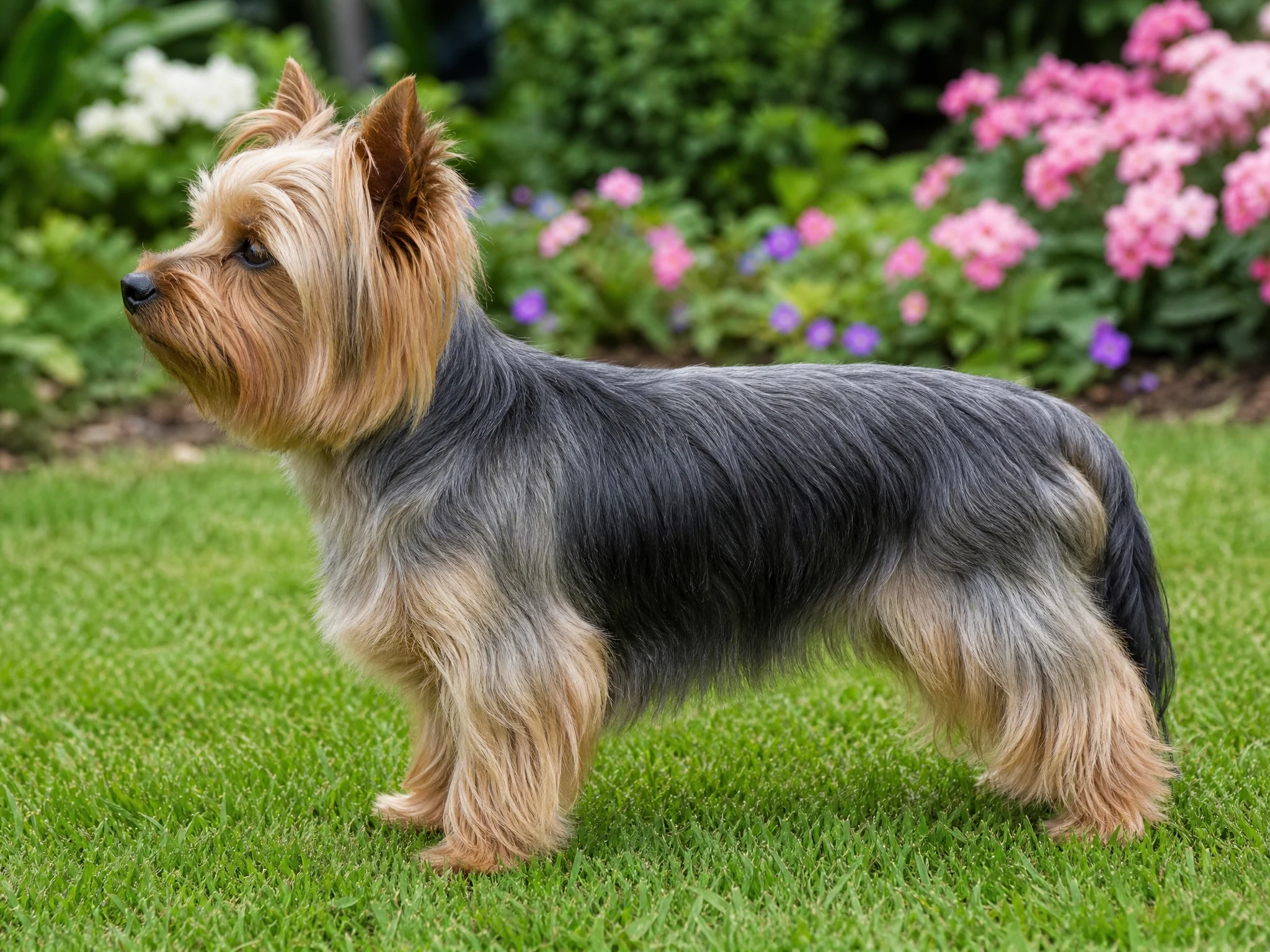
The American Kennel Club places the Yorkshire Terrier in the Toy Group, at about 7 pounds and 7 to 8 inches tall. The Yorkshire Terrier Club of America notes the breed standard says a Yorkie must not exceed seven pounds.
At that size, small portions and small kibble matter. Brands name this on the page. Royal Canin says the kibble in its Yorkie formulas is adapted to the breed, and Hill's describes its Small & Mini line as made for dogs who prefer smaller kibble. Neither gives a kibble measurement, so check with the brand if size matters to you.
3. A readable ingredient list
Ingredients are listed in order, and the first five tell you the most. Look for named ingredients you recognize, such as chicken, brown rice or oats, over vague terms. The Yorkshire Terrier Club of America brochure suggests selecting dry foods with more meat and less grain in the first ingredients. That is club advice, not a veterinary rule, but it is a reasonable way to start reading a panel.
If your veterinarian has asked you to avoid a specific ingredient, read the whole list, not only the first five, and check with the brand about shared manufacturing.
4. Calories you can actually measure
The American Kennel Club notes that some Yorkies are prone to becoming overweight, and advises watching calories and treats. A label that gives kcal per cup or per can lets you do that. A 7 pound dog eats very little, so a few extra kibbles are a bigger share of the day than they would be for a larger dog.
5. A feeding guide you treat as a starting point
Feeding tables are starting points, not prescriptions. The Yorkshire Terrier Club of America suggests 3 to 4 meals a day for a young puppy and two a day once the dog matures. Your veterinarian can adjust amounts based on body condition.
For broader context on the diet factors that matter in this breed, see our guide to Yorkie nutrition and the diet factors that matter for this breed.
Key features to compare
When you set two foods side by side, these are the lines worth comparing.
- AAFCO statement: formulated to meet profiles, or proven by feeding tests, and for which life stage.
- First five ingredients: the main protein and carbohydrate sources.
- Protein and fat: a guaranteed analysis shows minimums. Some brands show dry-matter averages instead. These are not the same thing, so do not compare them directly.
- Calories per cup or can: needed to portion a small dog.
- Form: dry, canned or fresh, each with different storage and handling.
- Grain-free or not: see the note on the FDA investigation below.
A note on grain-free
The U.S. FDA began investigating reports of dilated cardiomyopathy (DCM) in dogs eating certain pet foods in July 2018. Many of those foods were labelled grain-free, with peas, lentils, other pulses or potatoes among the first 10 ingredients. The FDA's latest public update is dated December 23, 2022, and it said it did not plan further public updates until there is meaningful new scientific information.
That does not prove a link for any one food. It is a reason to ask your veterinarian before choosing a grain-free diet for a small dog.
Label comparison of foods with published data
These are foods with label or product-page data we could verify on the brand's own pages. They are not ranked, and prices are not listed because we have no verified price data. Check current pricing and availability with the brand.
| Food | Form and stage | First five ingredients | Calories | Protein and fat (as published) |
|---|---|---|---|---|
| Royal Canin Breed Health Nutrition Yorkshire Terrier Adult | Dry, adult | Brewers rice, brown rice, chicken by-product meal, chicken fat, wheat gluten | 336 kcal ME per cup | Min. protein 25.5%, min. fat 16.0% |
| Royal Canin Breed Health Nutrition Yorkshire Terrier Puppy | Dry, puppy | Chicken by-product meal, brewers rice, chicken fat, dried plain beet pulp, natural flavors | 379 kcal ME per cup | Min. protein 27.0%, min. fat 18.0% |
| Royal Canin Breed Health Nutrition Yorkshire Terrier Adult Loaf in Sauce | Canned, adult | Water, chicken by-products, pork by-products, chicken, pork liver | 81 kcal ME per can (can size not stated) | Min. protein 7.0%, min. fat 4.5% |
| Hill's Science Diet Puppy Small & Mini Chicken & Brown Rice | Dry, puppy | Chicken, whole grain oats, brown rice, chicken meal, chicken fat | 418 kcal per cup | Dry-matter averages: protein 28.9%, fat 19.7% |
| Hill's Science Diet Adult Small & Mini Chicken & Brown Rice | Dry, adult 1 to 6 years, up to 25 lb | Chicken, brown rice, whole grain wheat, whole grain corn, brewers rice | 357 kcal per cup | Dry-matter averages: protein 25.0%, fat 15.3% |
| Hill's Science Diet Adult 7+ Senior Vitality Small & Mini Chicken & Rice | Dry, 7+ years | Chicken, brewers rice, yellow peas, cracked pearled barley, whole grain oats | 341 kcal per cup | Dry-matter averages: protein 22.4%, fat 14.5% |
| Hill's Science Diet Adult 11+ Small & Mini Chicken, Brown Rice & Barley | Dry, 11+ years, up to 25 lb | Chicken, brown rice, brewers rice, whole grain wheat, chicken fat | 378 kcal per cup | Dry-matter averages: protein 22.5%, fat 17.9% |
| Nom Nom Turkey Fare | Fresh, all life stages | Ground turkey, brown rice, egg, carrots, spinach | 244 kcal per cup | Min. protein 9%, min. fat 4% |
Hill's pages show dry-matter averages, not the guaranteed analysis printed on the bag, so those figures are not minimums. Hill's also publishes wet and fresh Small & Mini options; see its product pages for those.
Top picks by what you need, not by price
We cannot responsibly rank these on price or on skin results. Instead, here is how the label data lines up with common needs. These are label observations, not endorsements.
If you want a breed-specific formula
Royal Canin makes Yorkshire Terrier formulas in puppy, adult dry and adult canned versions. Each states an AAFCO statement and gives calories. The adult dry food lists brewers rice and brown rice before a chicken by-product meal, with wheat gluten fifth. If you have been told to avoid a particular ingredient, that list is the first thing to check.
The puppy formula carries the wording "including growth of large size dogs." AAFCO requires either that phrase or an "except for" phrase on growth and all-life-stage foods. The Merck Veterinary Manual explains that the "including" wording means the food meets the AAFCO level for large-size growing dogs, which currently applies only to calcium. For a 7 pound breed this is not a defect, but it is a line to read.
If you prefer a size-based formula with feeding-trial substantiation
Hill's Science Diet Small & Mini foods state that animal feeding tests using AAFCO procedures substantiate complete and balanced nutrition. The line covers puppy, adult, 7+ and 11+ dry foods, plus a 7+ canned stew. Chicken is the first ingredient in each. The 7+ dry food lists yellow peas third, which is worth noting given the FDA background above.
If you are considering a fresh food
Nom Nom Turkey Fare lists ground turkey first and states a formulation for all life stages. Its page says portions are calculated per dog from the owner's information, and that it ships frozen or cold and should be thawed in the refrigerator and used within 5 days once defrosted. Fresh food requires more storage care than dry kibble.
Hill's also lists a refrigerated chicken and brown rice roll for adults, with a feeding table for a 5 pound dog at 4 ounces per day. That roll is not a small-breed formula.
Red flags to avoid
- Claims of curing or preventing itching. No food label can promise this, and brand pages that suggest it are marketing. We left such claims out of the table on purpose.
- No AAFCO statement, or one for the wrong life stage. An adult maintenance food is not right for a growing puppy.
- A missing calorie count. You cannot portion a 7 pound dog without it.
- Vague ingredient names where you cannot tell what the main protein is.
- "Guaranteed" or "100%" results language about health outcomes.
- Treat-heavy routines. The American Kennel Club warns about calories and treats for a breed prone to weight gain.
- Table scraps and sudden fatty extras. The Merck Veterinary Manual reports an increased prevalence of pancreatitis in Yorkshire Terriers, and says dietary indiscretion is believed to be a common risk factor in dogs.
- Treating a puppy's weakness at home. The Yorkshire Terrier Club of America names hypoglycemia (low blood sugar) as a risk in puppies, especially at 6 to 12 weeks. A puppy that seems weak or wobbly needs a veterinarian, not a new food.
Other breed conditions that affect food choices
The Yorkshire Terrier Club of America names portosystemic shunt and protein-losing enteropathy as known to occur in the breed. The Merck Veterinary Manual says extrahepatic portosystemic shunts are more common in toy breeds, with Yorkshire Terriers named first, and that hepatoportal microvascular dysplasia is well defined in the breed.
These are veterinary conditions. If your dog has one, diet is directed by your veterinarian, and nothing on a retail bag replaces that.
Dental health also matters for a tiny mouth. WCVM Today, from the Western College of Veterinary Medicine at the University of Saskatchewan, quotes a veterinary dentistry specialist saying small dogs are much more likely than larger dogs to get periodontal disease. That source speaks of small dogs in general and does not name the Yorkie.
Where to buy
We do not link retailers or recommend a seller. A few practical steps help wherever you shop.
- Start from the brand's own product page and note the exact product name, life stage and AAFCO statement.
- Match the bag or can in your hands to that page, since formulas and numbers can differ between listings. A third-party listing of one food showed slightly different protein and calorie numbers than the brand page.
- Check the package for the formula's life stage before you buy.
- Ask the brand directly about current ingredients, availability and pricing.
- For fresh foods, confirm storage and delivery handling before you commit.
If a veterinarian has recommended a prescription diet, it comes through the veterinary clinic.
Bringing it to your vet
Take the bag or a photo of the label. Ask whether the food suits your dog's life stage and weight, how many calories a day to aim for, and how to change foods gradually. If skin trouble is the reason you are shopping, say so first. That is a conversation to have before any bowl changes, not after.
A good label will not solve a skin problem, but it gives you clear, honest information to work from.
Sources
- American Kennel Club, Yorkshire Terrier breed page
- Yorkshire Terrier Club of America, "Your Yorkshire Terrier" brochure
- Yorkshire Terrier Club of America, About Yorkies page
- Merck Veterinary Manual, Dog and Cat Foods
- Merck Veterinary Manual, Congenital and Inherited Anomalies of the Liver in Animals
- Merck Veterinary Manual, Pancreatitis in Dogs and Cats
- WCVM Today, Detection and prevention can keep periodontal disease at bay
- U.S. FDA, Investigation into Potential Link between Certain Diets and Canine Dilated Cardiomyopathy
- Royal Canin, Yorkshire Terrier Adult Dry Dog Food
- Royal Canin, Yorkshire Terrier Puppy Dry Dog Food
- Royal Canin, Yorkshire Terrier Adult Loaf in Sauce
- Hill's Pet Nutrition, Science Diet Puppy Small & Mini
- Hill's Pet Nutrition, Science Diet Adult Small & Mini
- Hill's Pet Nutrition, Science Diet Adult 7+ Senior Vitality Small & Mini
- Hill's Pet Nutrition, Science Diet Adult 11+ Small & Mini
- Hill's Pet Nutrition, Science Diet Adult Chicken & Brown Rice Fresh Roll
- Nom Nom, Turkey Fare